
In our latest blog, Amma Anderson CEO and founder of The Skills Spot CIC and NYA Trustee, shares her reflections on this year’s Black History Month theme of Reclaiming Narratives.
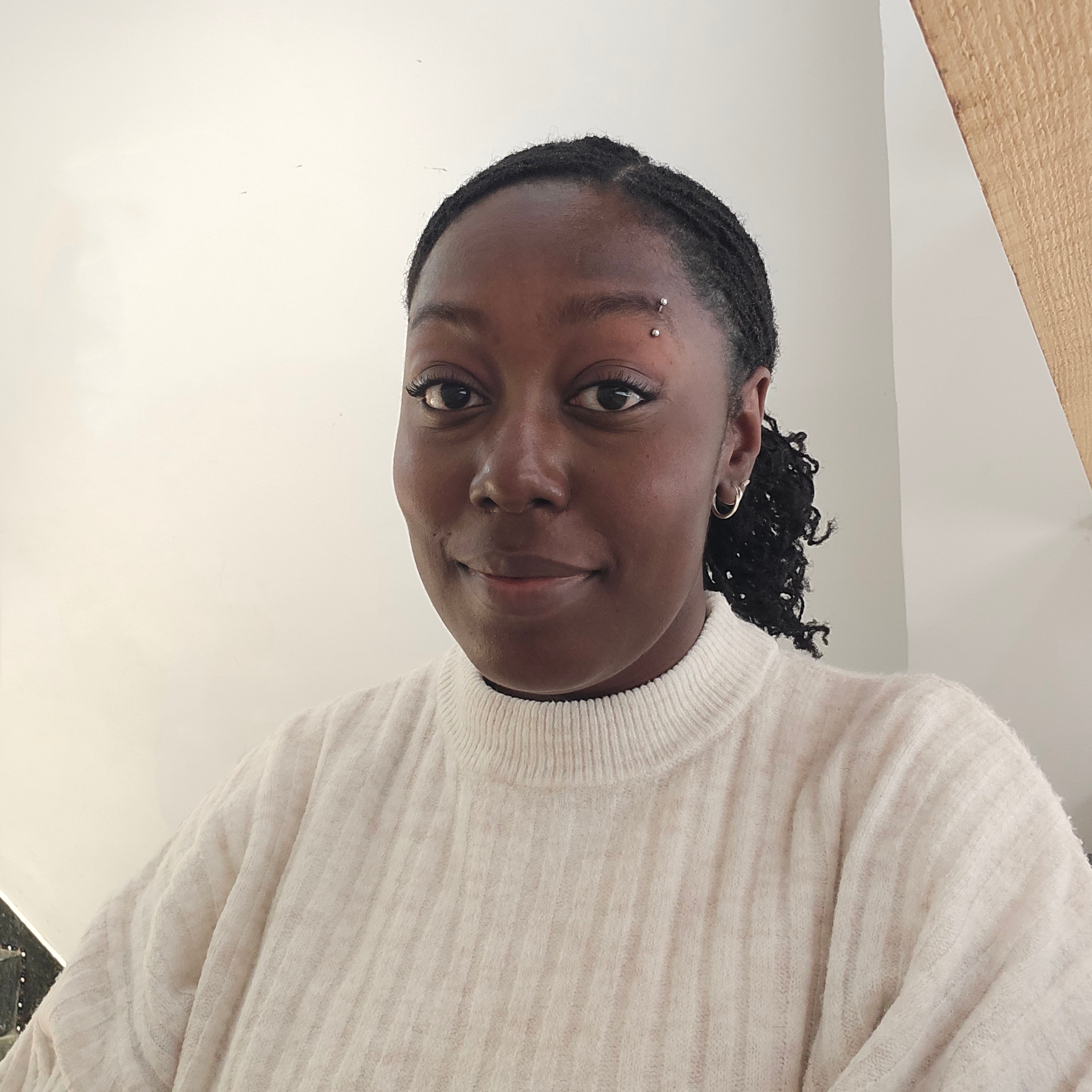
Amma Anderson CEO and founder of The Skills Spot CIC and NYA Trustee
Reclaiming Narratives: My Journey as a Black Woman in Leadership
Having worked in the youth sector for over a decade now, I’ve held various roles within SEND, youth leadership, and behavioural support. I was motivated to aim for a leadership position where I could influence strategy because of my own experience of being in spaces with decision makers as a young person accessing youth work myself. Although I got a lot out of these opportunities, I realised quite quickly that they were often tokenistic. I was there to cater to a display of diversity, but not of inclusivity or equity.
My voice was rarely listened to, and when it was, I often felt its value was less than others. I was determined to challenge the lack of real representation and ensure young Black voices were not just present, but truly heard.
I see my story as part of the broader struggle to carve out space for Black people in leadership. From serving as a CEO in the youth sector, to being a Trustee at the National Youth Agency, my journey is defined by challenges and triumphs in navigating spaces where people like me are often underrepresented. For me, reclaiming the narrative isn’t just a theme – it’s my personal mission.
The Weight of Representation and Navigating Bias
Being a Black woman in a senior leadership team role is both a privilege and let’s be honest, a burden. The charity sector, despite the increasing focus on equity, still struggles with diversity at a leadership level and I often walk into boardrooms where my presence is still unusual.
I remember attending a celebration event for one of my charities. With over 80 people in attendance, the number of those who were people of colour could be counted on one hand. During the time to network whenever I was asked about my role with the charity, I was met with surprise when I shared that I was a trustee and not in fact a young person (beneficiary) or staff member. There appeared to be a moment of disbelief that most people could not hide – a change in their posture, standing much straighter, a change in their tone of voice, and a slightly contrived interest in me.
This experience brought into sharp focus what it means to navigate spaces where my identity is often questioned. It’s not just about holding a title or sitting at the table – I’m representing those who have been denied opportunities to even enter the room. This responsibility is heavy. I’m expected to be a role model, an advocate, and a trailblazer, all at once.
At times, I’ve felt the pressure to over-prepare and outperform just to be seen as competent. The “Black tax” – having to work twice as hard to get the same recognition, (with side eye) is real out here.
But these challenges have also strengthened my resolve. I’ve learned to use my voice with confidence, knowing that my perspective, shaped by my experiences as a Black woman, is not just valuable but essential.
Looking back, my journey has been one of personal growth and systemic challenge. Being a Black woman in leadership is not without difficulties, but it’s also a powerful platform for change. Reclaiming the narrative means owning my story – both the struggles and the victories – and using it to shape a future where Black leaders are no longer the exception but the norm.
Challenging the rhetoric
A sentiment that I hear often in the youth sector, is that we must help young Black people to raise their aspirations. This rhetoric is inaccurate and tiring. There are many Black people who are already acting as leaders in the youth sector, who don’t just have the potential, but are already well equipped with the qualities and skills to step into formal roles. The issue is that they’re often overlooked.
This is a real problem, because it’s not just about representation. Some of the best minds – people with lived experience, intelligence, and deep resolve – are being side-lined. This is exactly the people we need, particularly in the youth sector, to ensure that provision is diverse, inclusive and truly responsive to those who need it the most in our communities.
It’s more than just an individual mission; it’s part of a collective effort to tackle the status quo. It involves expanding mindsets and creating space for new norms, rather than maintaining boxes for exceptions. It involves stepping out of comfort zones to be more assertive; pushing harder for positive change and calling out negative bias to pave the way for others.
Even writing a blog about my identity felt uncomfortable. But I’m glad I did. In the least egotistical way possible, it’s reminded me how good I am as a leader – a Black leader. And reminded me that we’ve always been leaders, changemakers, and visionaries, and we’ve got every right to be around the table as the next person.
