The National Youth Agency is the Professional, Statutory and Regulatory Body (PSRB) for youth work in England.
We are committed to enabling high quality youth work across a range of settings to benefit the health and outcomes of young people and strengthen local communities.



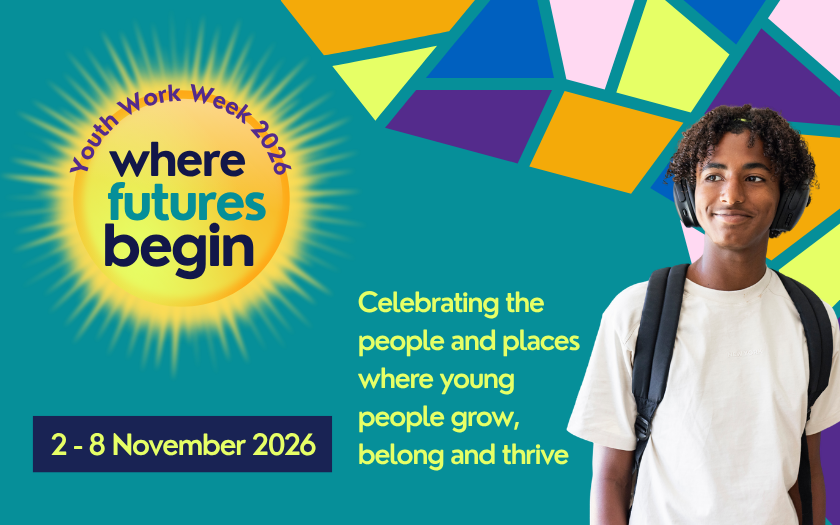
Youth Work Week 2026: Where Futures Begin
This year, we’re celebrating the people, places and experiences that help young people grow, belong and thrive. From the youth worker who takes the time to listen, to the safe spaces where young people can be themselves, youth work plays a vital role in shaping futures.
Inspiring stories
Youth work supports young people to stay well, discover their talents, make informed decisions about their lives and actively participate in their communities.
Youth work is a rewarding career providing opportunities to work in a range of settings and with young people facing a variety of needs and interests.
Discover what youth work is all about through these inspiring stories from both young people and youth workers.
Latest resources and research
Growing Capability, Strengthening Consistency
Research commissioned by the National Youth Agency between August 2025 and March 2026 explored the impact of Level 3 and Level 6 Youth Worker Apprenticeships on apprentices, employers and training providers.

Equality, Equity, Diversity, Inclusion and Belonging Standards
These standards are a comprehensive framework designed to ensure every young person feels seen, heard, and valued. These standards are essential for youth workers, volunteers, and organisations committed to excellence in youth work.

Become a member of Youth Council UK today!
If your organisation is passionate about supporting young people to shape national and international decision-making, then become a member today and be a part of this exciting new chapter.
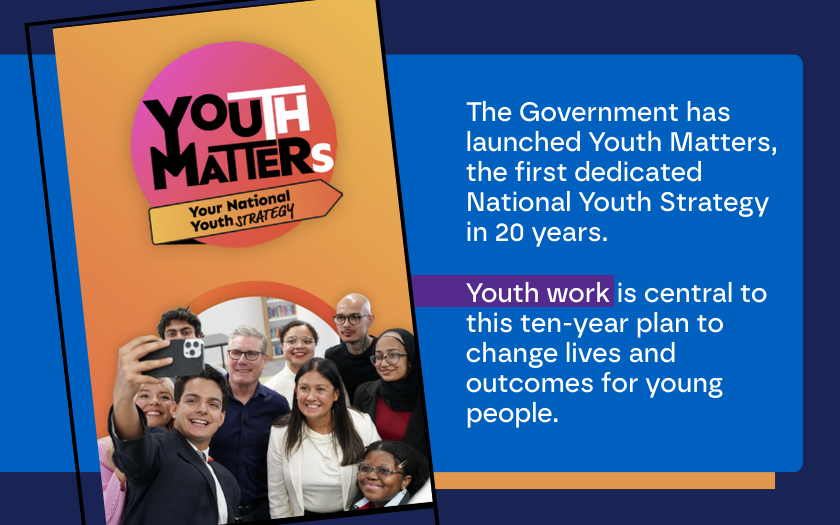
National Youth Strategy
‘Youth Matters’ has been co-produced with more than 14,000 young people across England. The strategy heavily emphasises the significance of youth work, in turning these commitments into a reality, as well as being essential to the wider societal eco-system.

Don’t miss
We offer a range of events for learning, critical reflection, sharing and debate – be sure to include them in your CPD plans.
Latest news and insights
Take a look at all the latest sector news, expert insights and highlights from our research.