💡Looking for ideas for your session plans?
These examples of actual practice have been provided to stimulate ideas when planning activities linked to identity and belonging curriculum theme – you can use and adapt them to suit the young people you work with.
Examples:
3D Collage
Young people build a 3D collage to express their identity using images, words, recycled objects and symbols. To explore how they see themselves and how they want others to see them. To develop their self-awareness and expression.
Young parenting programme:
A co-produced young parenting programmes that provides the support they needed, the space to be a young person, information and guidance, early years professionals in a safe environment, activities to engage with and continued support when needed
Identity map:
Provide young people with a blank sheet and ask them to create a map of their identity. They can include aspects like their gender, ethnicity, interests, values, and family traditions. This activity helps them recognise the complexity of their identity and that of their peers and how different aspects of it come together. Helping them to understand themselves, family and their peers.
Belonging Wall or Tree:
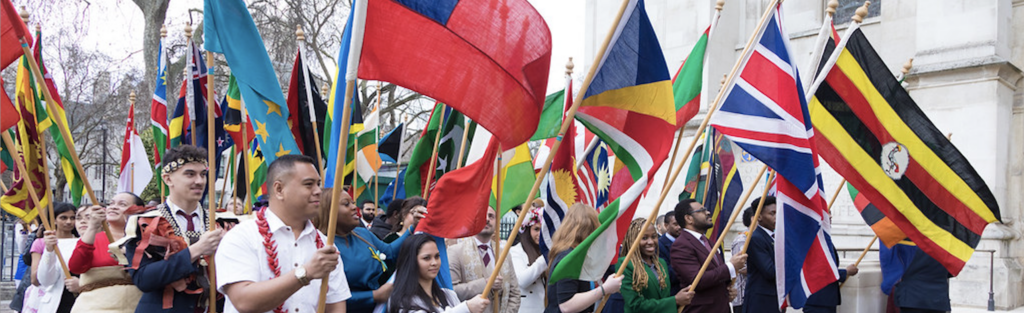
Create a wall or tree in the space where young people can write or draw what makes them feel like they belong. This could include their family, friends, hobbies, cultural practices, or places they feel at home. It helps reinforce the idea that belonging is about connection and shared experiences, whether in a community or a specific group.
Film making/Drama/Animation:
Encourage young people to role-play different scenarios where they must navigate situations related to their identity, such as facing challenges related to their sexuality, gender, or cultural background. Role-playing, even if through animation or script writing, allows them to explore how identity impacts their daily lives and how to handle situations where they may feel excluded or misunderstood.
