When I think about the heart of youth work, one word comes to mind: belonging. Every young person needs to feel safe, valued, and connected. Yet too many are met with messages that say they don’t belong – whether through misinformation online, prejudice in their community, or the lived reality of being a young refugee or asylum seeker.
The impact is the same: exclusion and isolation. Belonging isn’t a nice-to-have; it’s the foundation for young people to thrive. When they feel accepted, they are more likely to engage, to trust, and to see a future for themselves. That’s why youth work matters. At its core, it is a rights-based profession built on equality, inclusion, and respect.
We don’t have to look far to see how divided some communities feel. Narratives about race, migration and identity are everywhere – amplified online and echoed in daily life. For many young people, these messages arrive while they’re still shaping identity and belonging. Being told you don’t belong – because of skin colour, faith, migration status or where you grew up can have a devastating impact on identity, wellbeing confidence and safety. We see it in the questions young people ask and the tensions they bring into our spaces. Our values – equality, inclusion, and a steadfast belief in young people’s rights – guide how we must respond.
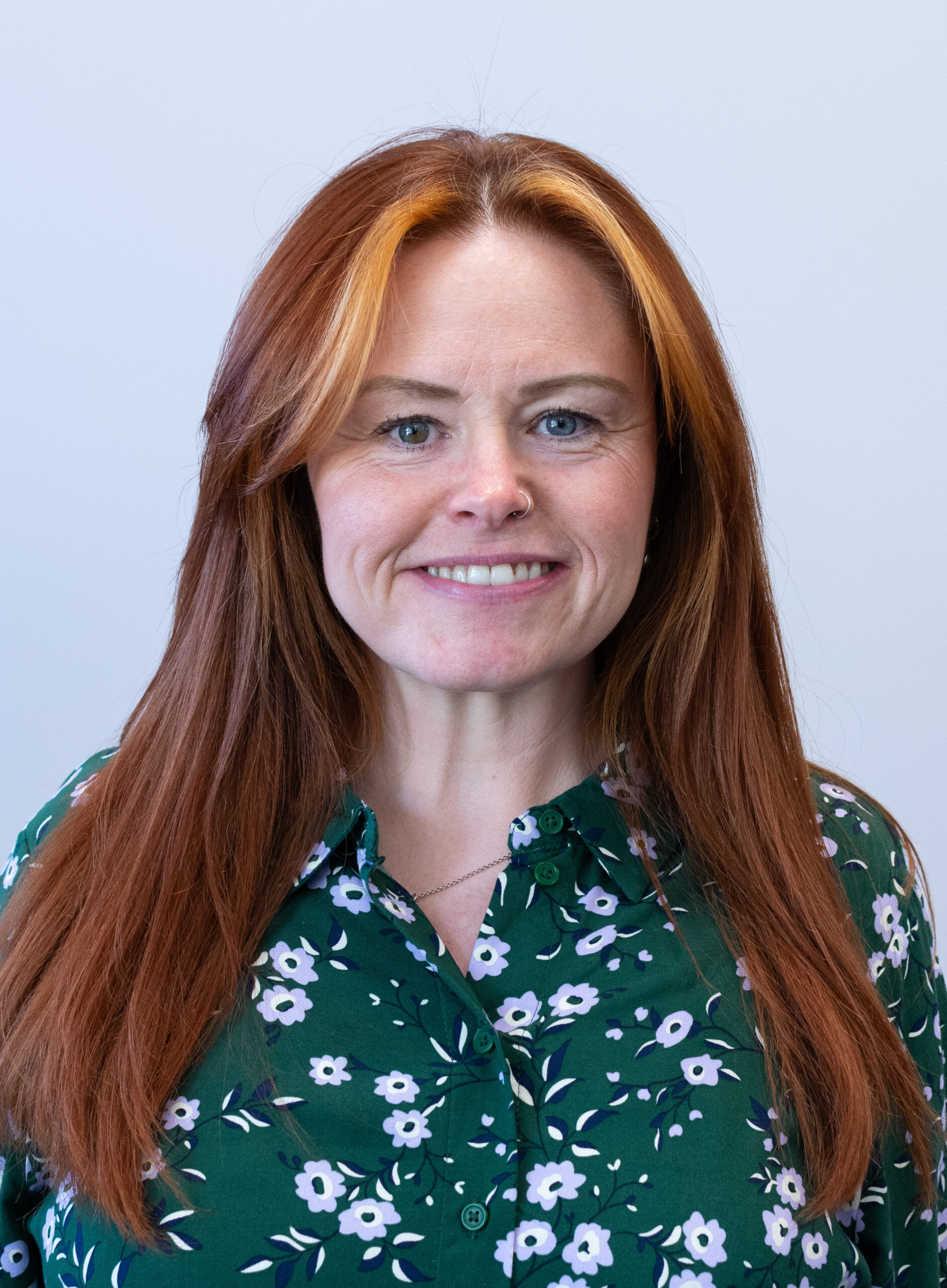
Abbee McLatchie,
Deputy CEO,
NYA
Good youth work is all about listening carefully to young people’s experiences, creating space for honest dialogue and recognising the weight of the challenges they face. Equity means making sure every young person has what they need to flourish, not just treating everyone the same. And inclusion means building spaces where difference is respected, celebrated and safe.
Community of Practice
That’s what we aim to do through NYA’s Youth Work Connect and Insight sessions. It’s a space where youth workers can come together, share experiences and learn through a community of practice.
Our upcoming Youth Work Connect session entitled: Belonging Begins Here: Youth Work with Young Refugees and Migrants, delivered in collaboration with British Red Cross, aims to better equip youth workers supporting young people from these communities, as well as navigate polarised opinions. All our community of practice sessions are grounded in trauma-informed and culturally sensitive approaches, so practitioners feel equipped to manage complex conversations without losing sight of youth work’s core values.
It’s sometimes said that talking about refugees, migrants, or racism makes youth work too ‘political’. I see it differently. Inclusion isn’t party politics or ideology – it’s about people: safety, fairness, and making sure every young person knows they have the same right to be valued and supported. The UN Convention on the Rights of the Child is clear: we have a duty to protect young people from discrimination and harm. Our National Occupational Standards reinforce this, committing us to promote equity, diversity and inclusion in everything we do. By rooting our practice in these standards, we step beyond ideology and into professional integrity. Inclusion is safeguarding, and it’s our responsibility.
Creating belonging and exploring difference
Youth work is about more than supporting young people; it’s about nurturing societies that are fair, safe, and connected. When we challenge racism, create belonging, and help young people explore difference with curiosity rather than fear, we lay the foundations for a society that respects diversity and is more cohesive.
Through our community of practice sessions and our various guidance and resources the NYA strives to enable the youth sector to deliver support which is grounded in the youth work values of compassion and inclusion. We don’t pretend that differences and tensions don’t exist. Instead, we create safe spaces to explore them honestly and respectfully. In doing so, we show young people that compassion and respect can hold more weight than division, and that their voices matter in shaping a more inclusive future.
Related links
EEDIB Standards
National Occupational Standards
Speak Out Toolkit
