Creative expression can help young people make sense of their experiences, connect with others and find new ways to talk about what matters most to them.
When young people are given the opportunity to share their stories, inform research and shape solutions for themselves and their peers, creativity can become a powerful tool for wellbeing, reflection and change.
That was the thinking behind the Wellbeing Gallery, a creative resource co-created by young people through Authoring Our Own Stories, a National Lottery Community Fund-supported civic identity research programme led by Partnership for Young London in partnership with Youth Focus North West, Youth Focus South West and Yorkshire and Humber Regional Youth Work Unit.
Peer researcher Clara Akingbade helped develop the resource to support young people in reflecting on, discussing and sharing the activities, people and experiences that contribute to their overall wellbeing, including their emotional wellbeing.
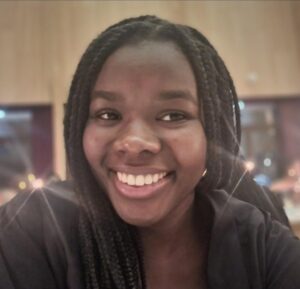
Clara Akingbade,
Peer researcher
Developed with African, Caribbean, Asian and dual-heritage young people, the Wellbeing Gallery encourages open conversations about mental health through creativity, reflection and peer learning. The resource has now been made available through the National Youth Work Curriculum webpage, supporting youth workers to facilitate meaningful conversations about wellbeing.
Putting young people’s voices at the centre
Authoring Our Own Stories works alongside marginalised young people to explore experiences of identity, belonging and wellbeing. Through the project, Clara and other peer researchers examined mental health from the perspectives of African, Caribbean, Asian and dual-heritage young people and developed creative ways to engage their peers in conversation.
For Clara, the project’s greatest strength was its commitment to youth voice.
“Lots of people sharing their experiences allowed me to be reflective, grateful and want to be more intentional overall with how I serve young people.”
Creating a different kind of wellbeing conversation
The Wellbeing Gallery grew from a simple idea: that creativity can help young people express thoughts and feelings that may be difficult to put into words. Clara and fellow project contributors explored how visual and creative approaches could help young people communicate ideas and experiences in ways that felt more engaging and accessible than traditional discussion-based methods.
Working alongside artist Ilaria di Fiore, Clara helped develop the concept of a gallery made up of picture frames that young people could fill with activities, memories, people and experiences that support their wellbeing.
Rather than centring problems or crises, the activity encourages reflection on the positive relationships, activities and experiences that already exist in young people’s lives and help to support their wellbeing. Sandra Vacciana, National Lead for Authoring Our Own Stories, described the approach as deliberately strengths-based, encouraging young people to think about the things they do to maintain good mental health rather than beginning with difficulties or challenges.
For Clara, the activity offered a way of helping young people learn from one another.
“The whole premise behind that was to create a tool that can allow young people to reflect on what brings them joy and also be shared in conversation with other young people to inspire them to think about other methods or activities that they can take inspiration from.”
Impact on young people
During focus groups, young people identified a wide range of strategies that supported their wellbeing, including friendships, family relationships, faith, hobbies, exercise and time for reflection.
The activity encouraged participants to share ideas, learn from one another and recognise common experiences. For some, it provided an opportunity to discuss challenges around accessing support and highlighted barriers that practitioners may not otherwise have been aware of.
Both Clara and Sandra highlighted the importance of the activity’s strengths-based approach. Rather than focusing on problems, the Wellbeing Gallery helps young people recognise the resources, relationships and activities that already contribute positively to their wellbeing.
Looking ahead
Now a Cambridge graduate working in communications and continuing her involvement in social impact initiatives, Clara remains passionate about creating opportunities for young people and ensuring their voices are heard.
Reflecting on her experience, she believes projects like Authoring Our Own Stories demonstrate what can be achieved when young people are trusted to shape conversations and contribute their ideas.
“It’s important that youth voice is not tokenistic and continues to be not only considered but actually implemented”
The Wellbeing Gallery is a powerful example of what can happen when young people’s experiences don’t just inform a project, but actively shape it. Created with young people and rooted in their stories, it continues to help others reflect, connect and discover new pathways to wellbeing.
Find out more
If you’re a youth practitioner looking for new ways to engage young people in conversations about wellbeing, the Wellbeing Gallery offers an accessible place to start. Developed with young people and shaped by their experiences, the activity can be adapted to a variety of settings and age groups, helping participants identify what supports their wellbeing and learn from the strengths and experiences of others.
This resource links to the Health and Wellbeing theme of the National Youth Work Curriculum. We’re creating a library of Curriculum in Action resources that showcase practical ways to bring the Curriculum to life, from session plans and creative activities to peer-learning projects and discussion tools. If you have a resource that helps young people engage with any of the Curriculum themes such as Identity and belonging, Economic and financial wellbeing or The environment, we’d love to hear from you. Share your resource via the form below and help inspire youth work practice across the sector.
