What happens when young people are given the space, support and confidence to speak out about the issues that matter to them?
At Integrate UK’s Annual Youth Conference in Bristol, young people took centre stage to share powerful films, performances and campaigns exploring gender inequality, violence against women and girls (VAWG), racism and community cohesion.
Bringing together young activists, educators, politicians and community members, the conference, held during Youth Work Week on 6 November, was an opportunity for young people to lead conversations about the issues affecting their lives, challenge harmful attitudes and encourage others to take action.
But this wasn’t simply an opportunity for young people to share their work. They were at the heart of the event, introducing their films, discussing the campaigns behind them and sharing the experiences that had shaped each project.
It offered a powerful example of youth work in action: creating opportunities for young people to develop their voices, explore challenging issues and become active participants in shaping the world around them.
Challenging the everyday realities of misogyny
The conference opened with the Court of Domestic Misogyny, a courtroom drama performance exploring the everyday inequalities experienced by young women and girls.
Using the relatable dynamic between a brother and sister, the performance highlighted disparities in how young people can be treated within their own families, including unequal expectations around household responsibilities and the impact of caring responsibilities on girls’ education.
It demonstrated that misogyny isn’t always loud or overt. It can be embedded in seemingly ordinary expectations and everyday tasks, quietly affecting young women’s experiences of school and home life while eroding their sense of agency and purpose.
Keynote speaker Khadija brought the issue of violence against women and girls further into focus, exploring topical events, including the Cornell Seven, and the wider challenges facing women and girls.
Together, these contributions set the tone for a day of challenging conversations about gender inequality, safety and the importance of confronting behaviours that have become normalised.
Bringing women’s experiences of public spaces to life
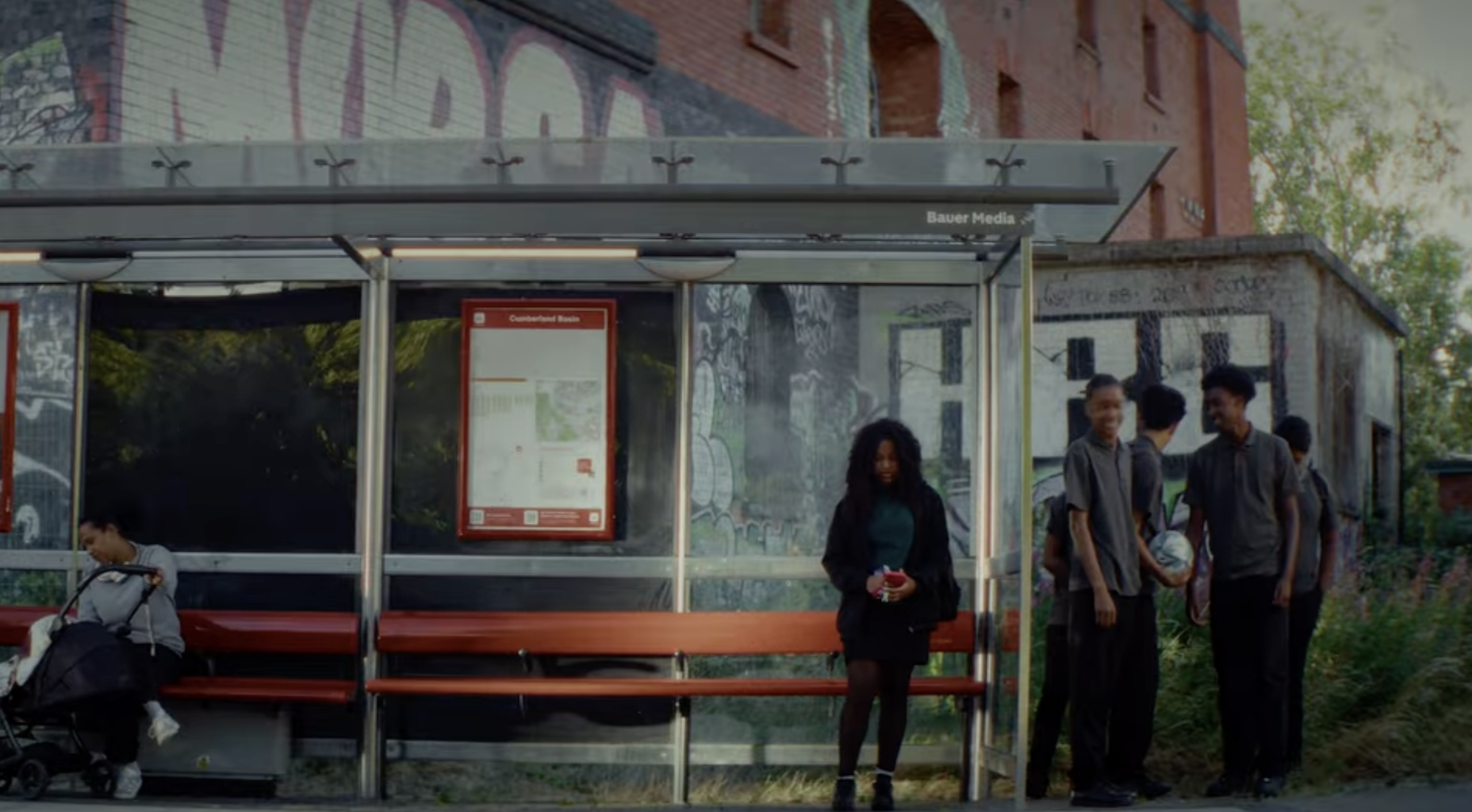
One of the films premiered at the conference, Hypervigilance, explores the thought processes and constant calculations many women and girls make when navigating public spaces.
Featuring multiple voices from real women, the film builds a palpable sense of tension through the internal instructions and precautions that can become second nature when moving through the world: ‘avoid the alleyway and take a longer route, ‘just walk faster’, ‘don’t look’, ‘pretend to be on the phone’.
The film closes with a series of statistics about women’s safety, connecting these individual experiences to the wider scale of violence and harassment.
For one young person involved in the project, Scarlett, the opportunity to contribute to the film was driven by the need to bring greater attention to an issue that remains deeply normalised.
”“This year, I was interviewed as part of Integrate UK’s short film about VAWG, Hypervigilance. I feel like this issue needed more attention as violence against women and girls is so normalised that people seem to think ignorance is bliss in relation to said topic. It’s also such a universal issue that is so common to experience yet so rare to confront, which I find very disappointing.
In my community, and in my own personal life, this is something I and many others around me have experienced time and time again. I don’t remember a time in my life when I’ve ever felt safe being out when it’s dark, or not being concerned for friends when out during darkness.”
– Scarlettyoung person involved in youth-led film, Hypervigilance
This highlights how deeply embedded these experiences can become, with the need to assess surroundings and worry about personal safety becoming an accepted part of everyday life.
For Scarlett, one of the most important messages of the film is that responsibility must never be placed on those experiencing violence.
“If someone watched this film and remembered one thing, I’d want it to be that you are never alone and it is never your fault. Women and girls all around the world feel the same dangers just for existing, feeling as though they always have to assess the dangers of their surroundings. This is a fault of societies, not ours. It might not be ‘all men’, even one [dangerous] man is too many.”
The conference also explored the importance of active allyship, with speaker Caleb discussing how men and boys can help women feel safer, challenge inappropriate behaviour and take responsibility for calling out harmful attitudes among their peers.
Scarlett asserted that giving young people the opportunity to speak openly about VAWG is essential to creating change.
“I think it’s so important for young people to talk about these things to show that we do have a voice and that we can use it to make change. Additionally, young people are the future so we need to feel able to talk about such an important issue to ensure that it stops sooner than later.
“VAWG should never have been normalised. It’s not culture. It’s not tradition. It’s not harmless banter between boys. It’s catcalling, rape, sexual assault, harassment. Call it what it is.”
Watch powerful youth-led film Hypervigilance
Young people at the heart of safeguarding
Safeguarding was another important theme running through the conference, with discussions highlighting the role young people can play in creating safer environments and supporting one another.
While safeguarding is often viewed as the responsibility of adults and professionals, the NYA’s National Safeguarding and Risk Lead, Xyna Prasad, emphasised the importance of involving young people in shaping approaches that affect them.
”“If we want to safeguard young people, we have to involve them – and involving them shouldn’t be a cause for concern. There can often be a fear of the unknown, but today has shown us that when young people take the lead in conversations and action around safeguarding, it can only make things safer.
There are things we might miss as adults and professionals, which is why we need open dialogue and must take the time to understand young people’s views. That’s how we make safeguarding truly fit for purpose.
We often think of safeguarding as purely a professional responsibility, but young people increasingly want to be part of safeguarding one another and supporting their peers through challenging issues.”
– Xyna PrasadNYA’s National Safeguarding and Risk Lead
This is particularly important when addressing issues such as violence against women and girls, where creating lasting change requires more than professional intervention. Young people need opportunities to challenge harmful attitudes, recognise concerning behaviours and support one another, while knowing where to turn to trusted adults for help.
Crucially, empowering young people to take an active role in safeguarding must go hand in hand with ensuring they are supported, listened to and protected. Creating safe spaces means recognising the potential impact of discussing sensitive subjects, respecting young people’s boundaries and ensuring appropriate support is available if difficult experiences are brought to the surface.
Reflecting on the conference itself, Xyna highlighted the importance of trusting young people to lead discussions on complex and serious subjects.
“Having young people completely run the show makes it all feel real and authentic. We need to give young people the agency to lead these kinds of conversations and activities.
“Young people are discussing complex, serious topics, and we shouldn’t shield young people from these conversations.”
Challenging racism and harmful narratives
Alongside the focus on gender inequality and safety, the conference showcased films exploring racism, migration and community cohesion.
Get In or Get Out, a film examining racism in migration policy and right-wing narratives explored how harmful rhetoric can affect young people and the communities they belong to, bringing attention to the impact of wider political and social narratives on everyday lives.
Another film, Stronger Together, was created by pupils at Henbury Court Primary Academy, supported by Integrate UK’s young activists. Tackling racism through the voices of primary-aged children, the project demonstrated the importance of creating opportunities to discuss equality and challenge discrimination from an early age.
These projects highlight how creative approaches can help young people make sense of complex social issues, communicate their perspectives and engage others in conversations that might otherwise be difficult to start.
The power of young people leading the conversation
A defining feature of Integrate UK’s approach is that young people are not simply the audience for these conversations – they are the people driving them.
From developing ideas and exploring the issues to creating films, performing and building campaigns, the projects give young people opportunities to develop skills, confidence and a sense of ownership over the messages they want to communicate.
The conference itself reflected this approach, with young people leading proceedings and introducing their own work. Dance and musical performances punctuated the day, bringing vibrancy and a sense of hope alongside the more challenging discussions.
This balance is important. While young people need opportunities to explore difficult issues, they also need spaces where they can build connections, express themselves creatively and experience a sense of belonging.
Through youth-led projects, young people can develop communication, teamwork, critical thinking and leadership skills, while building relationships with others who share their commitment to making a difference.
The conference also created opportunities for different generations to listen to one another. By bringing young activists together with educators, decision-makers and community members, it opened up space for young people’s perspectives to be heard by those with the power to influence change.
Where futures begin
This year’s Youth Work Week theme, Where Futures Begin, celebrates the people, relationships and spaces that help young people grow, belong and thrive.
Integrate UK’s conference brought this theme to life. It demonstrated what can happen when young people are trusted with meaningful opportunities, supported to explore their ideas and given the platform to lead.
Youth work is about much more than delivering programmes and activities. It is about building relationships, creating safe and inclusive spaces, recognising young people’s strengths and supporting them to exercise agency over their own lives.
The films, performances and campaigns showcased at the conference are a reminder that young people have important things to say about the world they live in – and that they should be supported not only to speak, but to be heard.
Because where young people are given the space to belong, the confidence to lead and the opportunity to influence change, futures begin.
