The National Youth Work Curriculum is a flexible framework which allows youth workers to identify how their interventions and activities can be used to support the personal, social and political development of young people.
Click the wheel segments below to find out more about each topic
×
![Modal Image]()
Modal Title
Modal description text...
Four cornerstones of youth work
Participation
Youth work supports young people and works with them to become partners and leaders in their own learning, to help them gain influence over issues they are concerned about and to engage them with democratic processes.
Equality
Youth work is for all young people. It respects differences and builds connections between different groups and individuals. It recognises and promotes human rights, social justice and anti-oppressive practices, supporting and challenging young people to reflect on their understanding of themselves and their behaviour towards others.
Education
Youth work offers informal learning opportunities that can complement formal learning in schools and colleges. It gives young people the opportunity to learn – about themselves, about others, about issues they care about or that concern them and about society and how to engage in their communities.
Empowerment
Youth work helps young people to develop the skills and confidence to make decisions and act on issues that affect their own lives, the lives of others, their communities and society. This enables young people to take control, have a voice and get involved as advocates.
What is the National Youth Work Curriculum?
Youth work is a vitally important part of many young people’s lives, yet availability and provision can vary so much from one geographical area to another.
We created the National Youth Work Curriculum to develop a greater understanding of the educational framework upon which high quality youth work is based.
The Curriculum is an important reference tool for youth workers, decision makers, policy makers, commissioners, and last but not least, young people. It aims to guide individual and collective journeys and describe how relationships between youth workers and young people provide opportunities for learning.
Above all, the Curriculum responds to the diversity of young people’s needs, interests and concerns of young people.
How to use the National Youth Work Curriculum
The Curriculum is not just for youth workers, it can be used by a wide range of stakeholders from young people themselves to policy makers, local authorities, commissioners and other decision makers.
It highlights good practice in youth work and describes the key governing frameworks that underpin it.
It can be used to support the design of a youth work offer to ensure it is both led by and responsive to young people’s needs. Young people are experts in their own lives and the youth workers are there to support and facilitate learning and development informed by the young people’s interests, experiences and concerns.
It is not designed to be followed in the same way as a school curriculum, rather as a means of exploring the different themes that may be of interest and of benefit to young people, and which respond to their particular needs, concerns and aspirations.
We have created a number of detailed guides on how to apply the Curriculum in each of the key allied sectors and settings where youth work takes place. You can view these here.
Ethics and values
Youth work ethics
All youth workers should work within the parameters of The Youth Work Code of Ethics, which sets out the values, behaviours and professional standards that underpin safe, respectful and empowering work with young people. Refreshed in collaboration with youth workers and young people, it keeps Youth Work at the heart of the youth sector and supports consistent, values led practice across roles and settings.
Youth work values
The values and principles of youth work are the ethical foundations that inform the way youth workers make decisions about their work. They are detailed in the Youth Work National Occupational Standards.
Process and practice
Process
Youth work is a distinct educational process adapted across a variety of settings to support a young person’s personal, social and educational development in order to:
- Explore their values, beliefs, ideas and issues
- Enable them to develop their voice, influence and place in society
- Facilitate the learning of a set of practical or technical skills and competencies that enable them to realise their full potential.
Practice
Practice refers to the accepted practice, rather than the theory of youth work.
Youth work is often described as informal or non-formal education. Learning is embedded in an activity such peer education, volunteering and social action. It can involve critical dialogue and group participation which develop interpersonal skills, confidence and teamwork.
Youth work may be open-access or universal youth work or detached / street based; outreach, outdoor or digital youth work as well as one off activities and residentials and social action projects.
Underpinning legislation and standards
Outcomes framework
The Framework of Outcomes for Young People 3.0 was developed by the Centre for Youth Impact with the sector.
Its aim is to help organisations and agencies across the youth sector develop and agree mutual aims to support young people in their local areas.
By focusing on common outcomes it aims to help both providers and commissioners ensure their work with young people is focused on creating long-term positive change in their lives
It was based on an extensive review of research and is for everyone working with and for young people, regardless of setting. The primary goal is to connect and strengthen provision for young people at a local level, rather than drive the agenda of any single organisation acting alone.
National occupational standards
As the Professional Statutory Regulatory Body (PSRB) for youth work in England the NYA sets the occupational standards for youth work.
The National Occupational Standards (NOS) are the agreed standards of performance and knowledge required in youth work practice. They can be used by employers to inform job descriptions, consider skills needs and identify areas of improvement, and can also support an individual’s professional and continuous development.
Each National Occupational Standard comprises a number of performance criteria which an individual should demonstrate in order to be competent in the sector.
Quality standards
- The NYA Quality Mark – reflective tool that intends to support local authorities and youth work service providers to develop a culture of learning and growth.
- The NYA Hear by Right framework – an organisational development tool designed to ensure that youth voices and active participation are at the heart of organisational development and decision making.
- The Framework of Outcomes for Young People 3.0 – designed to ensure youth organisations are working towards common positive outcomes for the young people they help.
- A Guide to Commissioning Outcomes for Young People from the National Youth Agency – supports local authority commissioners in understanding the challenges of commissioning youth work and involving young people in the process in a meaningful way.
- First Steps and Safe Spaces by UK Youth – a quality assurance framework with an overall focus on safeguarding and ensuring appropriate policies and procedures are in place across key functional areas such as health and safety, HR, governance and diversity/equality and inclusion.
- The London Youth Quality Mark, which supports member organisations towards better practice in: g. Involving Young People; Health and Safety; Outcomes for Young People; h. Partnerships; Safeguarding; Leadership and Management; i. Diversity, Equality and Inclusion; New Improvements; Staff and Volunteers
UNCRC (The United Nations Convention on the Rights of the Child)
The UNCRC is a legally binding international agreement that sets out the civil, political, economic, social and cultural rights of every child.
It contains 54 articles that outline children’s rights and how governments should work together to ensure they are available to every child.
These include the rights to express their opinions and be listened to, and the right to an education that enables children to fulfil their potential.
Youth work plays a key role in these and the NYA strives to ensure its work, and that of the organisations it supports, is fully aligned with the UNCRC.
Our Hear by Right organisational development tool, for example, highlights the importance of encouraging organisations, policymakers, and decision-makers to involve children and young people in decision-making processes, policies, programmes, and more that impact their lives.
Curriculum toolkits for young people
Click below to access our online toolkits for young people. These digital resources support young people with interactive learning materials.
Young Researcher's Toolkit
Empower young minds with the Young Researcher’s toolkit!

Navigating the Cost of Living Crisis
Empowering young minds with guidance, resources and activites.

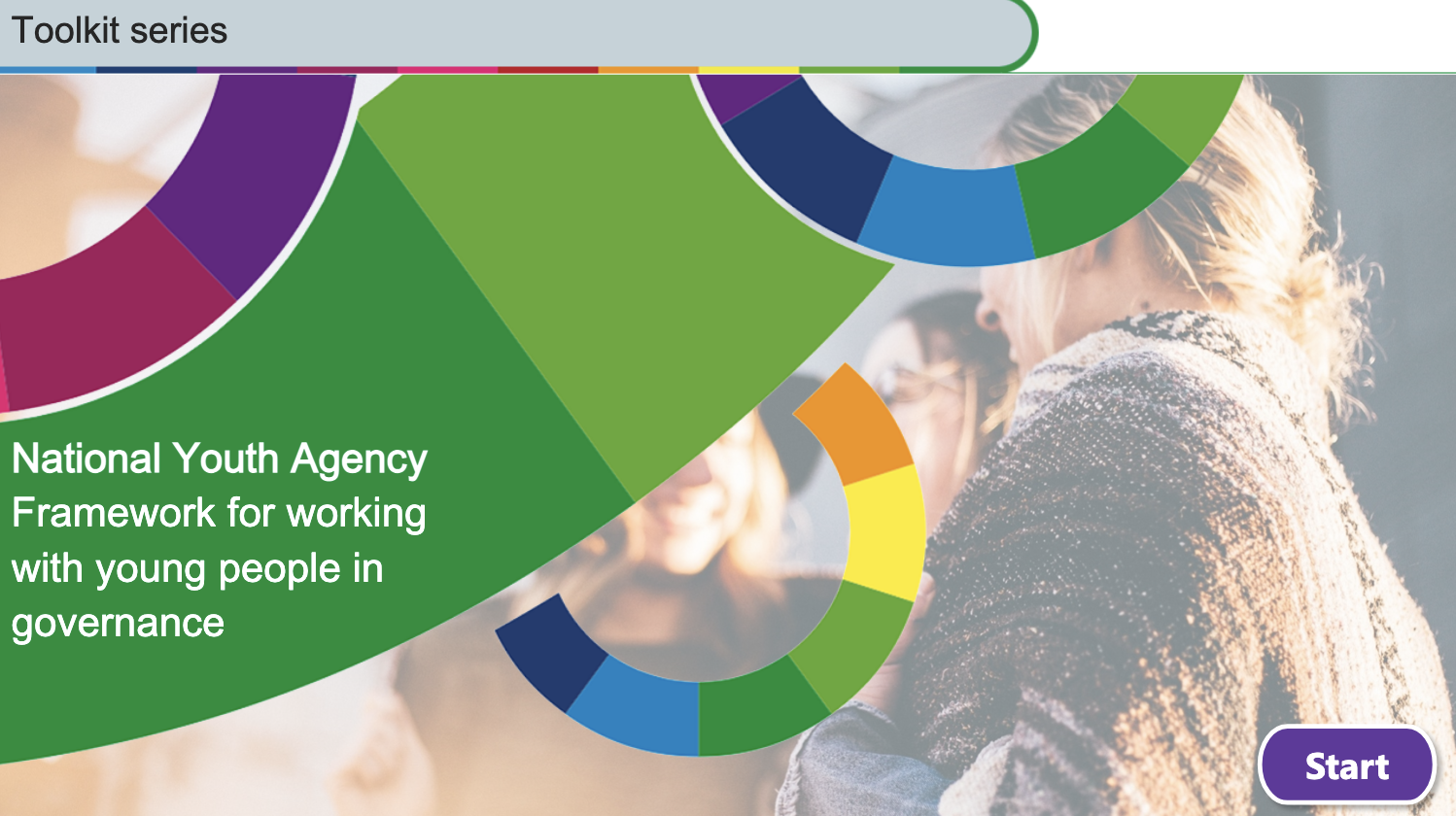
Framework for Working with Young People in Governance
For those working with, or aspiring to work with, young people in governance and leadership roles.
Building a Stronger Britain – Speak Out Toolkit
This toolkit is designed to be used with young people aged 11+ to stimulate discussion, thought and reflection around key themes such as identity, belonging, diversity and community.
Curriculum Resources
COVID-19 Wellbeing toolkit for youth workers
This toolkit was developed to support youth workers in creating meaningful spaces to process their experiences in safe, supportive environments.
The first Sunday of March each year has been designated as the COVID-19 Day of Reflection. It is a national moment to reflect on the lives lost, the sacrifices made, and the profound changes we experienced during the pandemic, and continue to experience today. This toolkit helps young people to participate in this day of reflection.

Youth Work Code of Ethics
The Youth Work Code of Ethics sets out the values, behaviours and professional standards that underpin safe, respectful and empowering work with young people. Refreshed in collaboration with youth workers and young people, it keeps Youth Work at the heart of the youth sector and supports consistent, values led practice across roles and settings.
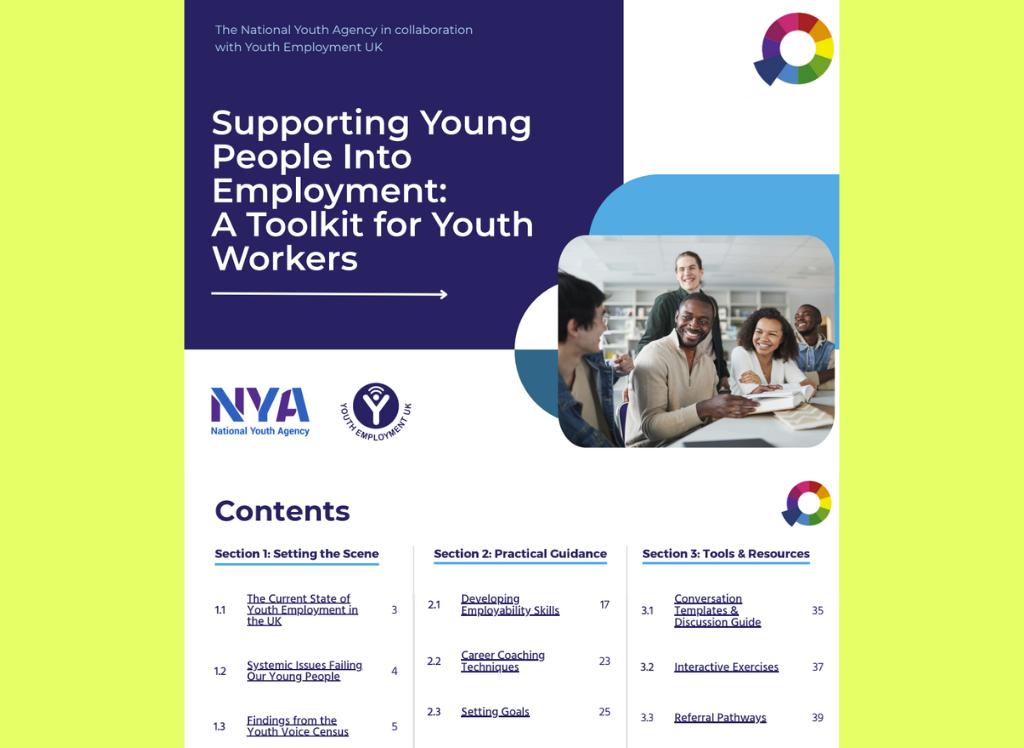
Supporting Young People into Employment: A Toolkit for Youth Workers
Created in collaboration with Youth Employment UK, an independent and not-for-profit social enterprise committed to tackling youth unemployment since 2012, this toolkit is designed to equip you with practical tools and insights so that you can better support young people into meaningful, rewarding work.
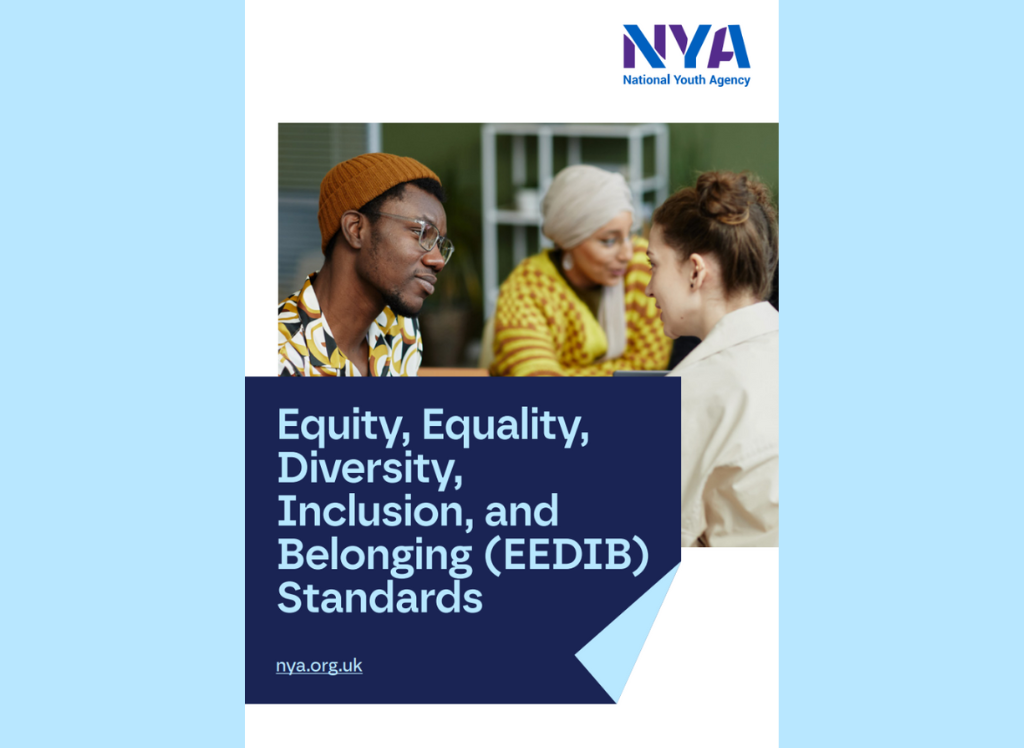
Equity, Equality, Diversity, Inclusion, and Belonging (EEDIB) Standards
Our newly released EEDIB Standards are a comprehensive framework designed to ensure every young person feels seen, heard, and valued. These standards are essential for youth workers, volunteers, and organisations committed to excellence in youth work.

Capturing the Evidence
Tools and activities for evaluation and recording the impact of youth work.
National Youth Work Curriculum : Transitional Safeguarding
Each of these documents explain the NYA Curriculum in different contexts. This document is designed to explain the curriculum in relation to transitional safeguarding.
How to use the national youth work curriculum
This resource has been developed to support local authorities to incorporate the National Youth Work Curriculum in their planning and delivery of youth work.

NYA National Youth Work Curriculum
The new National Youth Work Curriculum will enable a greater understanding of youth work practice, provide an educational framework and act as a reference tool.
Curriculum Briefing resources
Curriculum Briefing – Youth Justice
Each of these documents explain the NYA Curriculum in different contexts. This document is designed to explain the curriculum for those in the youth justice sector.
Curriculum Briefing – Health non-acute
Each of these documents explain the NYA Curriculum in different contexts. This document is designed to explain the curriculum for those in the health sector.
Curriculum Briefing – Social Care
Each of these documents explain the NYA Curriculum in different contexts. This document is designed to explain the curriculum for those in the social care sector.
Curriculum Briefing – Health acute
Each of these documents explain the NYA Curriculum in different contexts. This document is designed to explain the curriculum for those in the health sector.
Curriculum Briefing – Education
Each of these documents explain the NYA Curriculum in different contexts. This document is designed to explain the curriculum for those in the education sector.
Curriculum Briefing – Commissioners
Each of these documents explain the NYA Curriculum in different contexts. This document is designed to explain the curriculum for commissioners of youth services.