Maurizio Cuttin is one of four UK Young Ambassadors elected by the former British Youth Council’s (BYC) membership. Maurizio has been in post since Medi 2021, representing youth voice internationally across the European youth policy and institutional landscape. Maurizio also serves as the Vice Chairperson of the Council of Europe’s Advisory Council on Youth – Europe’s highest youth decision-making body, alongside 29 other elected and appointed youth leaders who meet and negotiate with senior officials from the Council of Europe’s 46 member states to discuss and co-produce youth policy recommendations together.
In this blog, Maurizio highlights the importance of international youth work, an often-understudied field dimension.
This week, the National Youth Agency (NYA), along with hundreds of other UK charities and youth NGOs, is celebrating ‘Youth Work Week’. This annual event aims to highlight the transformative contribution that youth work practitioners make to children, young people and society at large.
The impact of youth work ranges from reducing young people’s exposure to crime, to equipping them with the skills and confidence needed to thrive in the modern world. The evidence shows that youth work is essential for strengthening Britain’s democratic society.
The realm of international youth work provides recognition of young people’s diverse needs and potentials across various geographies and cultures.
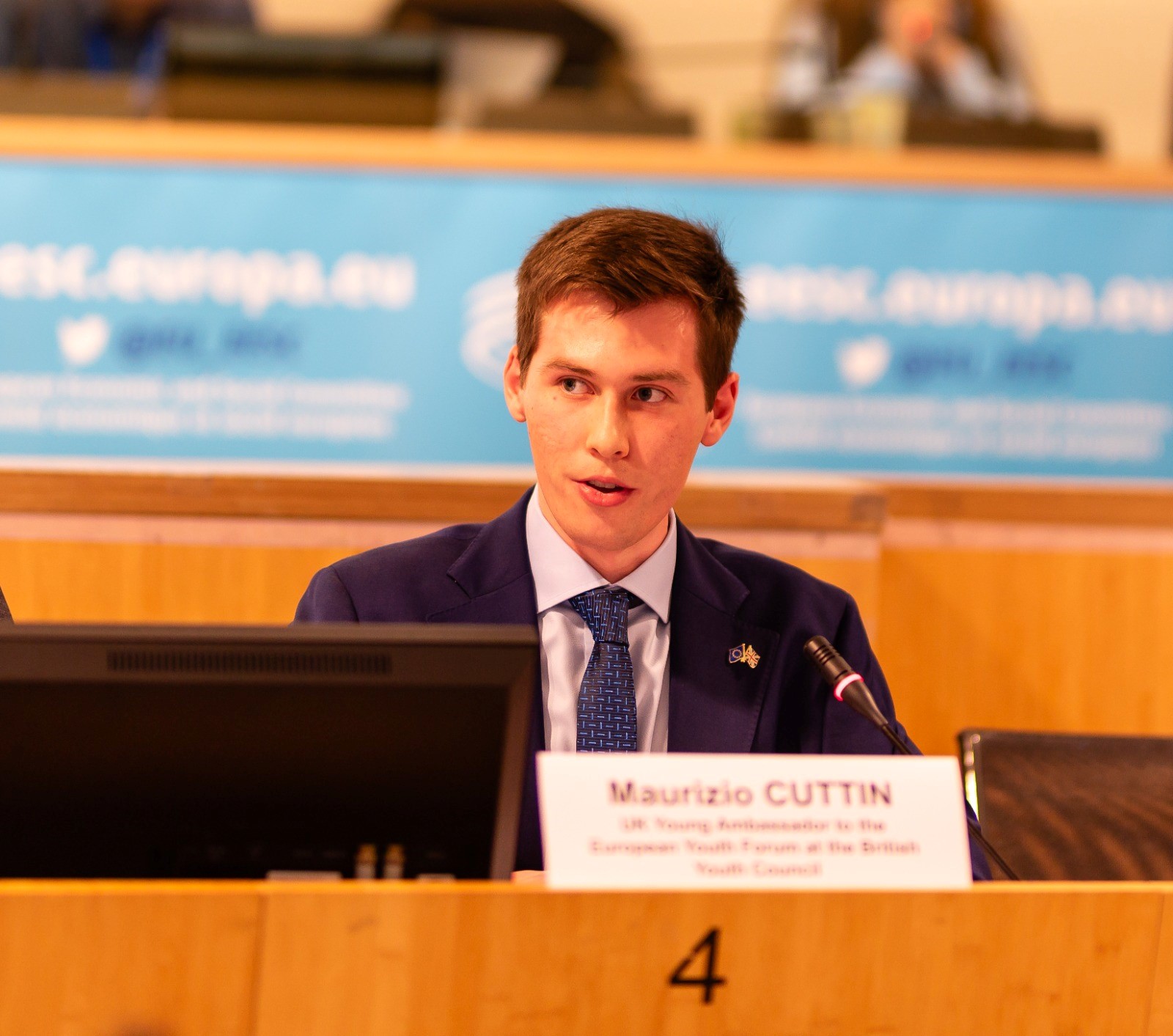
Maurizio Cuttin, UK Young Ambassador
It involves the collaboration of youth workers, civil society organisations, and governments from different countries to create programmes that benefit youth locally and globally. This cross-cultural exchange encourages young people to share their experiences, perspectives, and solutions to shared challenges, promoting empathy and understanding among future generations.
One of the most significant advantages of international youth work is its ability to address pressing global issues, such as climate change, social inequality, and conflict. Young people are often at the forefront of these movements, advocating for change and championing the rights of marginalised communities.
These international youth work structures also wield some influence on European policymakers, for example the Council of Europe’s Joint Council on Youth – a co-managed structure where youth and civil servants deliberate together. At our recent meeting in Hydref 2024, we approved a draft recommendation co-produced by the officials from the Council of Europe’s 46 member states, and the Advisory Council on Youth, of which I am Vice Chair, concerning the social, economic, and political participation of young people in rural areas. Additionally, we learned that the Committee of Ministers had passed our groundbreaking Recommendation on Young People and Climate Action – thus cementing the first youth-specific international soft law instrument advocating for the right to a clean, healthy, and sustainable environment.
The personal benefits of being able to participate in these international processes is the opportunity to hone my leadership, problem-solving, and collaboration skills, all while advocating for others. Arguably, the soft skills acquired through these roles are as essential as any degree or internship.
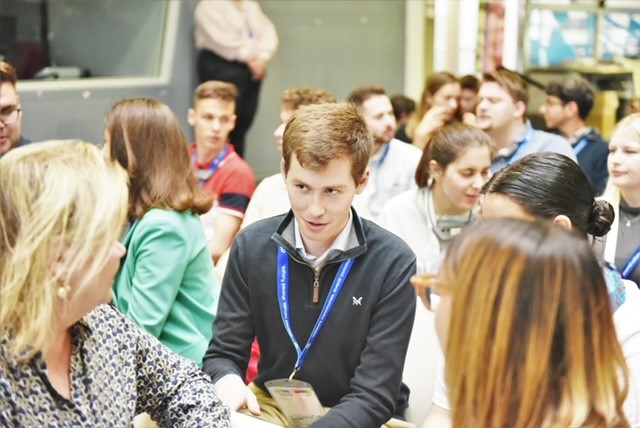
Additionally, international youth work has enhanced my cultural awareness and appreciation of the challenges facing young people in other countries. As young people, we work together across borders, learning about different customs, traditions, and perspectives, which fosters mutual respect and reduces prejudice. This cultural exchange is vital in today’s polarised world, where misunderstandings can lead to conflict and violence. By understanding one another better, young people can become advocates for peace, tolerance, and inclusivity in their communities, helping to build a more harmonious society. Moreover, the networks formed through international youth work can lead to lasting friendships and partnerships – again, channelling a sense of positivity in what is currently a gloomy national and global environment.
Throughout my three years of international service, I have formed lasting friendships and connections with like-minded young people across Europe—from Poland to Spain, Ireland to Ukraine, and Austria to Sweden, among others. These relationships go beyond mere acquaintance; they are built on trust, support, and mutual care. For example, I often think about how these friends -whether they were individual youth activists, youth workers, representatives of national youth councils, or members of other youth-led organisations—came together to support the British Youth Council during its insolvency crisis. They not only rallied through social media, but many also went the extra mile and drafted supportive press releases, wrote policy motions, and, in some instances, even contacted the UK Embassy in their countries to urge the UK Government to step in and save the BYC.
International youth work is an essential component of nurturing a generation capable of addressing the challenges of our world. By investing in young people and providing them with the tools, resources, and networks they need, we pave the way for a brighter, more inclusive future.
As we celebrate Youth Work Week 2024 and reflect on the transformative impact of youth workers, I hope that the opportunity for young people to participate in international youth work initiatives will long continue, providing opportunities for the next generation to shape the decisions which affect their lives. Together, we can build bridges across cultures and cultivate a world that thrives on collaboration, understanding, and respect.
