
Duke Harrison-Hunter, 63, grew up in south-east London facing domestic violence, racism and loneliness. His mother left to escape violence when he was nine; by 16, Duke had left too.
What followed was a long period of instability. Duke sofa-surfed, used drugs and became involved in gangs and crime to sustain his addiction. He lost jobs, homes and relationships and also spent time in prison. Duke remembers lacking someone to say, “Be careful. Think about where this could lead.”
Yet even in those difficult years, a different future had begun to take root. At 16, a friend introduced Duke to Charterhouse Youth Club in Southwark. As somebody who had had little power over his own life growing up, the youth club offered him somewhere he could feel safe and have a voice.
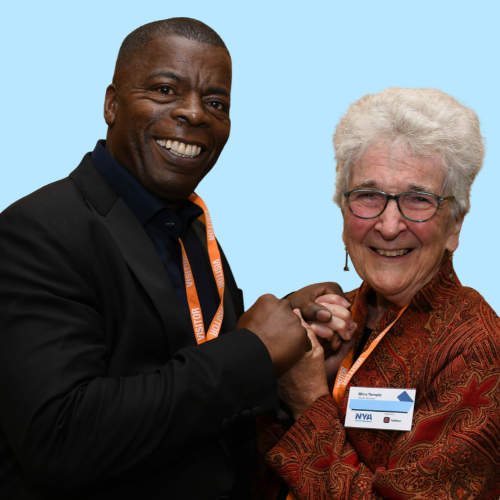
Duke Harrison-Hunter and Mina Temple
Duke explained: “Charterhouse youth club was a safe space that allowed me to be myself. I felt very nervous initially, because I didn’t know many people, but the youth workers were very welcoming and made me feel seen and heard.”
Youth worker Mina Temple encouraged him to volunteer and pursue a Level 3 youth work qualification. Duke explained: “Mina mentioned that she had been observing me over the weeks and months and appreciated my character and the way I supported others. I believe Mina saw potential in me that I was unaware of myself at the time.”
Discovering who he was
Mina trusted young volunteers with responsibilities, from holding keys to welcoming newcomers. They were not simply attending: they mattered. She gave volunteers diaries so they could record their shifts and commitments, and the gesture clearly made an impression on Duke: the following year, he arrived with his own A5, leather-bound diary, with a full page for every day.
But escalating drug use drew Duke away from youth work. After rehabilitation in Hampshire, he repeated his qualification and rebuilt his life. Now 20 years clean, he speaks with hard-won honesty about recovery: it was not simply about stopping drugs, but about discovering who he was beneath the anger and hurt. His connection to Charterhouse has endured and he continues to draw strength from Mina’s belief in his ability to shape his own future.
Supporting confidence, resilience, education and employability through mentoring
Now based in Portsmouth, Duke has worked as a youth educator for roughly 30 years. At Pompey in the Community, he delivered the Premier League Targeted Mentoring Programme for young people aged 11 to 18, supporting confidence, resilience, education and employability through mentoring and social action.
“This experience reminded me of my own youth, and I aimed to show the young people how far I’d come and that turning one’s life around is possible if you really set your mind to it and ask for the support to get your there,” explained Duke.
Recalling one young person, Duke said: “I supported a 14-year-old boy who saw himself as a ‘roadman’ (gangster). His mother was at her wits’ end because he was carrying weapons and selling cannabis. I initially met with him, his mother, a social worker and a police officer. During the assessment, I shared my own background and explained how his behaviour could affect both his future and his mother. He then agreed to take part in my programme. Over the next 18 months, he supported the young person with activities and opportunities to develop better decision making skills and helped him to turn his life around, by re-engaging with school, stop carrying weapons and progress onto a construction skills, and health and safety courses.”
You’re not defined by where you started; you’re defined by what you do next
Duke now also works with young people in supported living at Sakura Care. His recognition includes the Football Black List and the 2026 Pride of Black Britain Award for Education.
Mina says: “It’s lovely that Duke remembers me and recognises the part that Charterhouse played in his formative years. And I’m proud of the commitment he’s shown and the support he gives to others. Because of his life experience, he’s a wonderful role model… he shows there are alternatives to young people and particularly young men. I think it’s wonderful that he’s giving so much to young people… his motivation is he wants to give back and be there. And that’s so badly needed.”
Respect, communication and honesty underpin Duke’s approach. He listens, building voluntary relationships with clear boundaries. “My role as a youth worker is to build a relationship grounded in respect, honesty and trust, to uphold their voice and choices, and help unlock the strengths they already have.”
“Youth work is about working alongside young people, creating a safe and inclusive space in which they are heard, treated with dignity and supported to exercise agency over their own lives. It means helping them pause, recognise their options and make informed choices that move them towards the person they want to become,” he said.
In the National Youth Agency’s Where Futures Begin film, Duke tells young people: “You’re not defined by where you started; you’re defined by what you do next.” Of his cameo in the film, he says: “I was honoured to be asked to take part. Youth work has been such an important part of my life, so having the opportunity to share my story on a bigger stage – and shine a light on the difference youth work can make- means a great deal to me.”
Someone believed in Duke. Now he passes that belief on, helping young people recognise their strengths and shape their own futures.
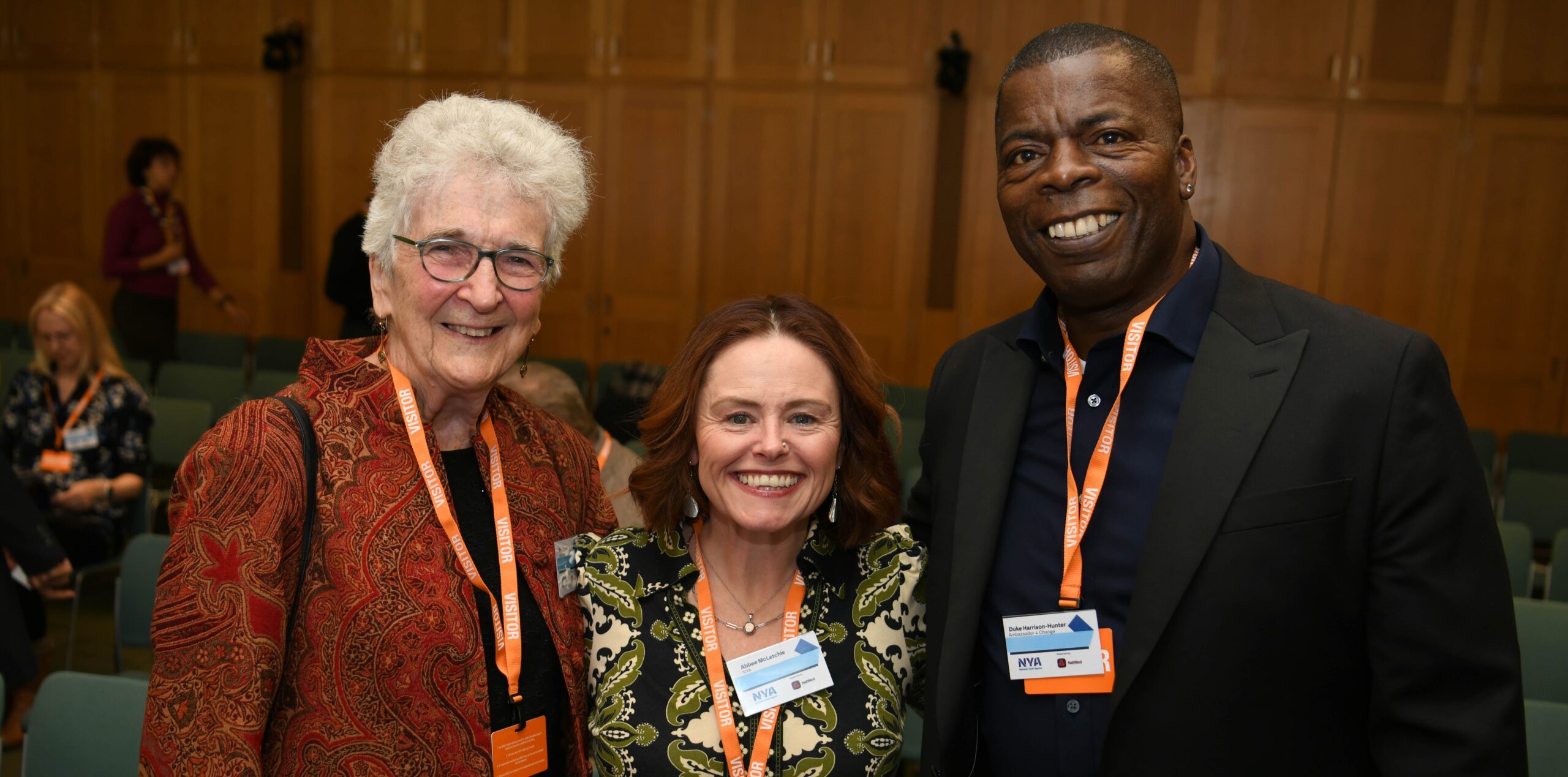
Mina Temple, Abbee McClatchie and Duke Harrison-Hunter at the NYA Annual Parliamentary Summit 2026
